 beesolo.
A first salon visit checklist: help new clients arrive ready
Send a useful arrival message, make the entrance easy to find, and leave room for a proper consultation. A practical first-visit guide for solo professionals.
By beesolo · Published on · Updated · 4 min read
On this page
Your regular client knows the side entrance, where to hang a coat, and that you will talk through the cut before starting. A first-time client knows none of that.
A useful first-visit message removes the small uncertainties before they reach the chair. Keep it practical. Someone travelling to a haircut needs the correct door and time more than a welcome essay.
Send one message they can use on the way
Start with the appointment, then the location, then anything they genuinely need to do beforehand. Keep the contact route in the same message.
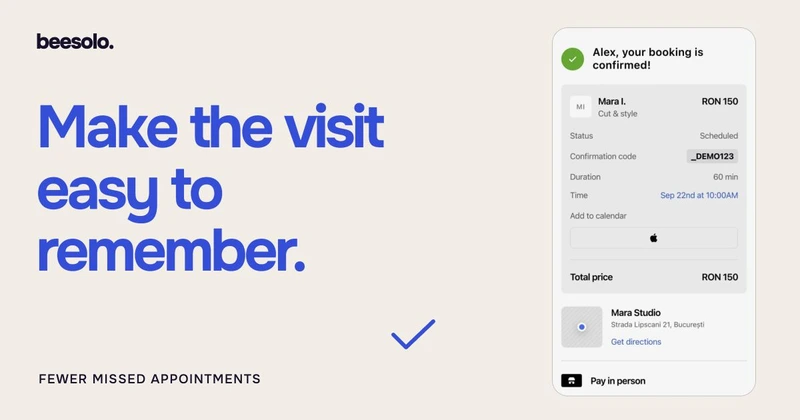
Hi [name], I look forward to seeing you for [service] on [weekday, date] at [time]. Allow [duration] for the visit.
Find me at [full address]. [Entrance, floor, or salon-name detail.]
[Preparation instruction, if needed.]
Your appointment details are here: [appointment link]. If you are running late or cannot find the entrance, contact [business number].
Delete the preparation sentence if there is nothing useful to say. Extra instructions can make a simple appointment seem complicated.
For example, a stylist working inside another salon might add:
I work from a chair inside [salon name]. Use the entrance on [street], then ask for Mara. The sign outside shows the salon name rather than mine.
That single detail may be more useful than several friendly paragraphs. Use names and directions that match the actual location.
Download the first-visit message template if you want to keep a local copy. Replace the contact number and appointment link for each client. A private appointment link belongs in that client's message, never in a public social post.
Before sending, check the details against the actual booking: service, full date, time, agreed price where relevant, and location. These are manual message examples, not a claim that the app automatically sends this wording.
Walk the arrival route yourself
Check the map pin, written address, and entrance as separate things. A pin at the middle of a building may be geographically correct and still send someone to the wrong side.
Approach from the street and look for what a newcomer will see. Is the door number visible? Is there more than one entrance? Does an intercom show a different business name? Does the studio occupy a different floor?
Explain the part someone cannot infer. "First floor, use the stairs beside the reception desk" is more useful than "easy to find". If access involves stairs or another restriction, say so clearly and give clients a way to ask about their needs before the visit.
Only recommend parking or arrival routes you have checked. A nearby space that is private or time-limited should not become a confident promise in your welcome message.
Leave consultation time inside the appointment
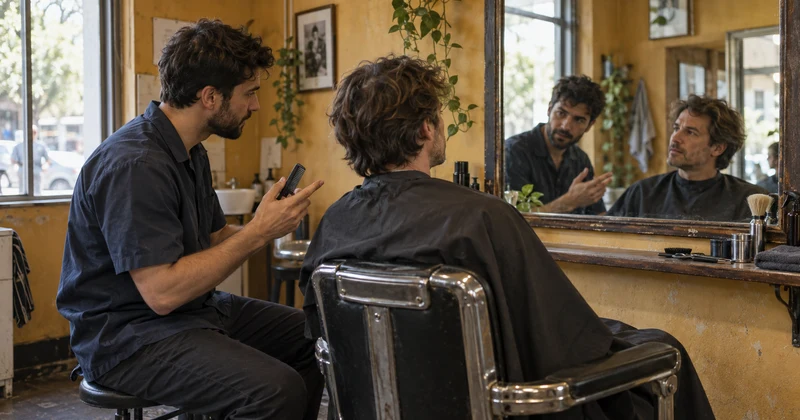
A new client may need longer to explain what they want than someone whose usual cut you know. Include that conversation in the reserved time rather than treating it as a delay.
Useful opening questions are specific:
- What do you like about your current cut, and what would you change?
- How do you usually style it at home?
- How much time do you want to spend styling it?
- Is there a part of the result in your reference photo that matters most?
- Are you maintaining the shape or looking for a larger change?
You do not need to ask all of these as a script. Use the answers to agree the result and the work before starting. A photo is a useful conversation aid, but the person's hair and routine still matter.
If the requested work is different from the booked service, discuss the options before proceeding. Check whether the time allows it and agree any changed scope or price. If it cannot fit, arrange the right visit rather than compressing it into the wrong slot.
Give preparation instructions only when they apply
A generic "arrive with clean hair" instruction may conflict with what a particular service needs or what you include in the appointment. Write the instruction for the service you actually offer.
For a haircut consultation, a simple request could be:
If you have a reference photo, bring it along. We will talk through what you like about it before the cut.
For a colour enquiry that needs a separate consultation, say that before someone books the colour service. Do not save an essential pre-appointment step for a reminder sent the night before.
Avoid turning an ordinary booking into a long questionnaire. Ask for information because you will use it to prepare or make the visit suitable. If a conversation needs privacy or professional judgement, handle it directly rather than asking for detailed personal information in a general booking note.
Make lateness easy to report
A first-time client who is lost may be reluctant to call. Give them permission to contact you and a number they can find immediately.
If you are nearby but cannot find the door, call [business number] and I will help you locate it.
If you cannot answer while working with another client, your written entrance detail becomes even more important. Keep any lateness wording aligned with your cancellation policy. Do not promise that arriving late will always leave enough time for the complete service.
Save the detail that improves the second visit
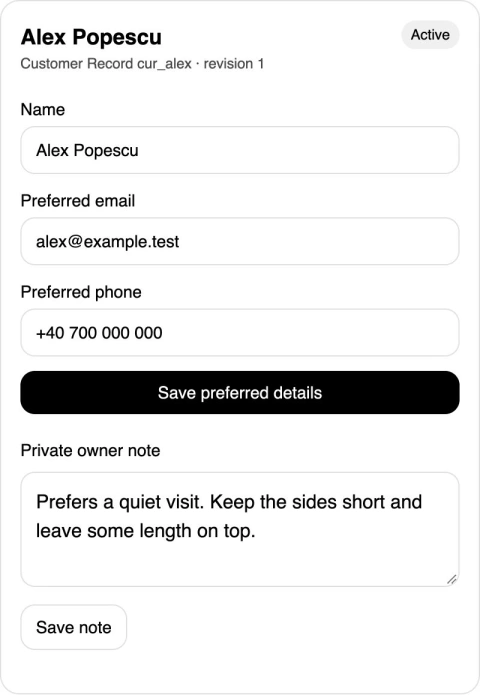
After the appointment, keep a short factual note of useful preferences. "Prefers a quiet visit" or "Keep more length at the crown" can save the client from repeating themselves. Record the agreed result rather than a judgement about the person.
beesolo's customer records keep preferred contact details and private owner notes together.
Before the client leaves, ask whether the result and visit matched what they expected. If they mention trouble finding the entrance, change the arrival message. If they chose the wrong service, improve the menu description. The next first-time client should benefit from the answer.
Explore the beesolo booking page or browse more practical booking guides.